A double cone mixer is a widely used piece of equipment in various industries, such as pharmaceuticals, food, chemicals, and cosmetics. It is known for its efficient mixing capabilities and gentle handling of materials. As a double cone mixer supplier, I am often asked about the mixing mechanism of this remarkable machine. In this blog post, I will delve into the details of how a double cone mixer works, exploring the key factors that contribute to its effective mixing performance.
Basic Structure of a Double Cone Mixer
Before we dive into the mixing mechanism, let's first understand the basic structure of a double cone mixer. A typical double cone mixer consists of a conical vessel that is mounted on a horizontal axis and rotates around it. The vessel is shaped like two cones joined at their bases, creating a symmetrical structure. The mixer is usually equipped with a drive system, which can be either electric or hydraulic, to rotate the vessel at a controlled speed.
Mixing Mechanism
The mixing mechanism of a double cone mixer is based on a combination of tumbling and shearing actions. When the vessel rotates, the materials inside are lifted and tumbled, causing them to move in a circular motion. This tumbling action helps to distribute the materials evenly throughout the vessel, ensuring that all particles have an equal chance of coming into contact with each other.
In addition to tumbling, the double cone mixer also generates shearing forces. As the materials move along the walls of the vessel, they experience a shearing action due to the difference in velocity between the inner and outer layers of the material. This shearing action helps to break up agglomerates and promote the dispersion of individual particles, further enhancing the mixing efficiency.
Key Factors Affecting Mixing Performance
Several factors can influence the mixing performance of a double cone mixer. Understanding these factors is crucial for optimizing the mixing process and achieving the desired results.
Rotational Speed
The rotational speed of the vessel is one of the most important factors affecting the mixing performance. A higher rotational speed generally results in a more rapid mixing process, as it increases the tumbling and shearing actions. However, too high a speed can also cause the materials to be thrown against the walls of the vessel, leading to uneven mixing and potential damage to the equipment. Therefore, it is essential to find the optimal rotational speed for each specific application.
Fill Level
The fill level of the vessel also plays a significant role in the mixing performance. If the vessel is overfilled, the materials may not have enough space to move freely, reducing the tumbling and shearing actions. On the other hand, if the vessel is underfilled, the mixing efficiency may be compromised, as there may not be enough materials to create a sufficient amount of contact between particles. It is recommended to fill the vessel to between 30% and 70% of its maximum capacity for optimal mixing results.
Material Properties
The properties of the materials being mixed, such as particle size, shape, density, and moisture content, can also affect the mixing performance. For example, materials with a wide range of particle sizes may require a longer mixing time to achieve a homogeneous mixture. Similarly, materials with high moisture content may tend to agglomerate, making it more difficult to mix them evenly. It is important to consider these material properties when selecting a double cone mixer and determining the appropriate mixing parameters.
Mixing Time
The mixing time is another critical factor that can impact the quality of the final mixture. In general, a longer mixing time will result in a more homogeneous mixture. However, excessive mixing time can also lead to over-mixing, which may cause degradation of the materials or damage to the equipment. Therefore, it is necessary to determine the optimal mixing time based on the specific requirements of the application.
Advantages of Double Cone Mixers
Double cone mixers offer several advantages over other types of mixers, making them a popular choice in many industries.
Gentle Mixing
One of the main advantages of double cone mixers is their gentle mixing action. The tumbling and shearing forces generated by the rotating vessel are relatively mild, which helps to prevent damage to the materials being mixed. This makes double cone mixers particularly suitable for mixing fragile or sensitive materials, such as pharmaceuticals and food products.
High Mixing Efficiency
Double cone mixers are known for their high mixing efficiency. The combination of tumbling and shearing actions ensures that the materials are thoroughly mixed in a relatively short period of time. This can help to increase productivity and reduce production costs.
Easy to Clean
Another advantage of double cone mixers is their ease of cleaning. The smooth interior surface of the vessel and the absence of complex internal components make it easy to clean the mixer after each use. This helps to prevent cross-contamination between different batches of materials and ensures the quality and safety of the final products.


Versatile
Double cone mixers are highly versatile and can be used to mix a wide variety of materials, including powders, granules, and pastes. They can also be used for both dry and wet mixing applications. This versatility makes double cone mixers a valuable asset in many industries.
Related Products
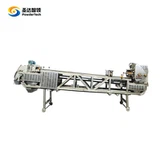
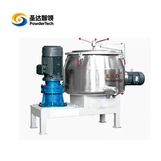
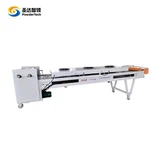
If you are interested in other types of mixers, we also offer a range of related products, including Bonding Machiney, Container Mixer, and Powder Coating Automatic Horizontal Mixer. These products are designed to meet the specific needs of different industries and applications, providing efficient and reliable mixing solutions.
Conclusion
In conclusion, the mixing mechanism of a double cone mixer is based on a combination of tumbling and shearing actions, which work together to ensure the efficient and thorough mixing of materials. By understanding the key factors that affect the mixing performance and the advantages of double cone mixers, you can make an informed decision when selecting a mixer for your specific application.
If you are interested in learning more about our double cone mixers or other related products, please feel free to contact us for a detailed consultation. Our team of experts will be happy to assist you in finding the right mixing solution for your needs.
References
- Perry, R. H., & Green, D. W. (Eds.). (2008). Perry's Chemical Engineers' Handbook (8th ed.). McGraw-Hill.
- Rhodes, M. J. (2008). Introduction to Particle Technology (2nd ed.). Wiley.
- Tüzün, U., & Nienow, A. W. (Eds.). (2007). Handbook of Powder Technology: Mixing of Powders and Particulate Solids (Vol. 10). Elsevier.